Things To Do in Flathead Lake, Montana: A Local’s Guide for Visitors
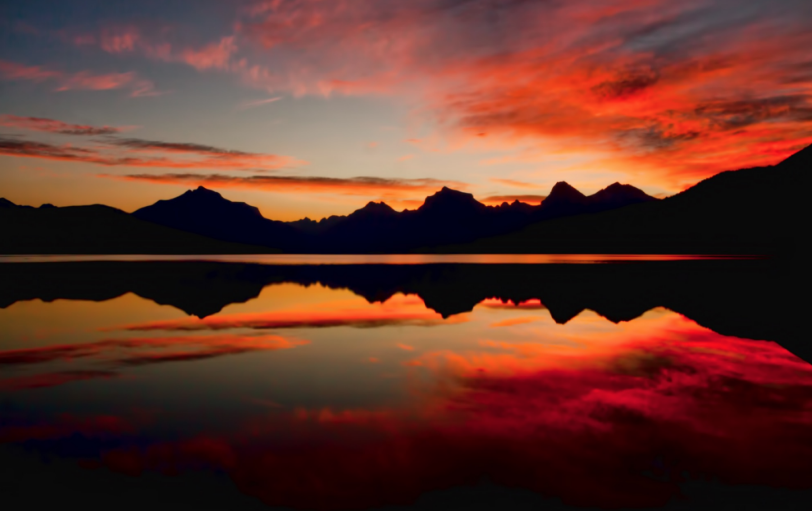
Flathead Lake, Montana offers one of the most diverse outdoor experiences in the United States, combining pristine water, mountain landscapes, and small-town culture. As the largest natural freshwater lake west of the Mississippi River, it attracts visitors looking for both relaxation and adventure.
Spanning roughly 27 miles in length and 15 miles in width, with more than 180 miles of shoreline, the lake creates a wide range of recreational opportunities that can feel overwhelming without a clear plan. This guide breaks down what to do, where to go, and how to make the most of a visit.
TL;DR
- Flathead Lake offers boating, swimming, fishing, hiking, and wildlife viewing
- Bigfork, Polson, and Lakeside each offer different experiences depending on trip goals
- State parks and Wild Horse Island are key landmarks to prioritize
- July through August is the most popular time to visit
- Visitors should plan for permits, safety precautions, and travel time around the lake
Outdoor Recreation at Flathead Lake
Water Activities
Flathead Lake’s size and water clarity create ideal conditions for both relaxed and high-energy water activities. The lake is large enough to spread out boat traffic, which helps maintain calmer areas for paddling while still supporting power boating, wake surfing, and jet skiing in designated zones.
Visitors can rent boats or pontoons for full-day exploration, take guided sailing lessons, or launch kayaks and paddleboards from multiple public access points. Scenic and sunset cruises are also common, offering a slower way to experience the lake’s scale and surrounding mountain views.
Swimming is one of the most popular summer activities, especially at developed beaches and state park access points. By late July and August, surface temperatures typically reach the upper 60s, making it comfortable for extended swimming sessions. Conditions can vary by location and weather, so checking local guidance before entering the water is recommended.
For those bringing their own equipment, it is important to follow regional watercraft regulations. Clean, Drain, Dry protocols are strictly enforced to prevent invasive species, and some areas may have speed or access restrictions depending on season and usage.
Fishing Opportunities
Flathead Lake is known for deep, cold water that supports a range of game fish, making it a consistent draw for anglers. The lake’s structure includes steep drop-offs, rocky shorelines, and deeper basins, which influence where and how fish are typically found.
Lake trout are one of the most targeted species due to their size and abundance, often requiring deeper trolling techniques. Northern pike and bass are more commonly found in shallower or weedy areas, while whitefish and cutthroat trout provide additional opportunities depending on the season.
Shore fishing can be productive in areas with rocky access, particularly near state parks and less developed sections of the shoreline. However, many visitors opt for guided charters, which provide specialized equipment such as downriggers and local knowledge of seasonal patterns.
Fishing conditions can change throughout the year, so timing, depth, and location all play a role in success. Checking current regulations and licensing requirements before heading out is essential.
Hiking and Nature Trails
The terrain surrounding Flathead Lake offers a wide range of hiking environments, from shaded forest paths to exposed ridgelines with expansive views. Trails vary in elevation and difficulty, allowing visitors to choose routes based on experience level and available time.
The Bear Dance Trail provides a moderate hike through wooded terrain with periodic lake views, making it a strong option for those looking for a balanced experience. Blacktail Mountain offers more elevation gain and broader panoramic views, especially on clear days when visibility extends toward Glacier National Park.
In addition to these trails, the broader Flathead Valley connects to a larger network of public lands, including national forest areas and routes that extend into more remote terrain. Wildlife encounters are common, including deer, birds of prey, and occasionally larger animals, so awareness and preparation are important.
Hikers are encouraged to carry essentials such as water, navigation tools, and bear spray, and to follow Leave No Trace principles to help preserve the landscape.
Golfing with Scenic Views
Golf in the Flathead Valley is shaped as much by the landscape as the course design. Many courses incorporate natural elevation changes, water features, and unobstructed mountain views, creating a setting that is as much about the environment as the game itself.
Eagle Bend Golf Club is one of the most recognized courses in the area, offering multiple layouts and proximity to the lake. Polson Bay is known for its elevated tee boxes and lake-facing holes, while Buffalo Hills and Whitefish Lake Golf Club provide a mix of accessibility and challenge.
These courses accommodate a range of skill levels and often serve as a quieter alternative to peak lake activities. Tee times can fill quickly during summer months, so advance booking is recommended, especially for visitors planning to play multiple rounds.
Parks and Landmarks Around Flathead Lake
State Parks
Flathead Lake is ringed by a series of state parks that provide some of the most accessible and scenic entry points to the water. These parks vary in terrain, crowd levels, and amenities, which makes them useful for different types of visitors, from day users to overnight campers.
Wayfarers State Park near Bigfork is one of the most visually striking locations, with rocky outcrops, wooded trails, and elevated viewpoints overlooking the lake. It is especially popular for photography and sunset viewing. Finley Point State Park offers a quieter, more forested environment with a campground that sits close to the shoreline, creating a more secluded experience.
Yellow Bay State Park is known for its clear water and calm swimming conditions, making it a strong option for families. Big Arm State Park provides wider open areas and easy shoreline access, while West Shore State Park tends to be less crowded due to its more remote location along the lake’s western edge.
Amenities vary by park, but most include boat launches, picnic areas, and designated swimming zones. During peak season, arriving early can help avoid limited parking and secure better access points.
Wild Horse Island
Wild Horse Island stands out as one of the most unique natural landmarks on Flathead Lake. Accessible only by boat, the island offers a more rugged and undeveloped experience compared to mainland parks. Its isolation has helped preserve both wildlife and native ecosystems.
Visitors often encounter wild horses, which are descendants of animals once brought to the island for grazing. In addition to horses, the island supports populations of bighorn sheep, mule deer, and a variety of bird species, including bald eagles.
The landscape features a mix of grassland and forest, with hiking routes that provide elevated views back toward the surrounding shoreline. Because of its ecological sensitivity, strict rules are enforced. Visitors are not allowed to camp, bring pets, or use bikes, and all activity is expected to follow low-impact guidelines.
Planning a visit typically requires coordinating transportation, either through private watercraft or local tour or boat services. Weather and lake conditions can affect access, so flexibility is important.
Cultural and Historic Sites
Beyond natural landscapes, the Flathead Lake region includes several sites that provide insight into the area’s cultural and historical background. These locations add context to the land and help visitors understand how the region has evolved over time.
The Conrad Mansion Museum offers a preserved look at life in the late 19th century, showcasing architecture, furnishings, and stories tied to early development in the Flathead Valley. It provides a contrast to the outdoor-focused experiences that dominate the area.
The CSKT Bison Range gives visitors the opportunity to see American bison and other wildlife in a protected environment. The range spans a large area of rolling terrain and is typically explored by vehicle, making it accessible for a wide range of visitors.
The Flathead Indian Reservation covers a significant portion of the southern lake and reflects the long-standing presence of the Confederated Salish and Kootenai Tribes. Visitors traveling through this area should be mindful of regulations and respectful of its cultural significance.
Together, these landmarks provide a more complete picture of the region, balancing outdoor recreation with history, wildlife, and cultural awareness.
Dining and Local Flavor Near Flathead Lake
Bigfork Restaurants
Bigfork is one of the most popular dining destinations around the lake, offering a range of options from casual cafés to more refined dining experiences.
Pocketstone Café is known for breakfast and baked goods, while Bonfire focuses on wood-fired dishes and regional ingredients. Flathead Lake Brewing Company combines lake views with craft beer and pub fare. SakeTome Sushi offers a different pace with creative Japanese cuisine.
Local Food Experiences
The Flathead Valley has strong agricultural roots that show up in local food experiences. Visitors can explore cherry orchards during peak season, which typically runs from mid-July through mid-August.
Artisan creameries and local markets provide additional ways to experience regional products. These stops often become highlights for visitors looking to go beyond traditional dining.
Planning Your Trip to Flathead Lake
Best Time to Visit
Summer is the most popular time to visit Flathead Lake, particularly July and August when temperatures are warm and lake conditions are at their most consistent. This period offers the widest access to rentals, guided tours, and fully open state parks. It is also when cherry harvest season peaks and most local businesses operate extended hours.
Late June and early September can be strong alternatives for visitors looking to avoid peak crowds while still enjoying favorable weather. Water temperatures may be slightly cooler, but boating, paddling, and hiking remain accessible.
Fall brings a noticeable drop in visitor traffic along with changing foliage across the surrounding mountains. This season is better suited for scenic drives, hiking, and photography rather than water-based activities. Spring can be quieter but less predictable, with variable weather and limited early-season services.
Winter shifts the focus away from the lake itself. While the shoreline remains accessible, most activity transitions to nearby mountain areas where skiing, snowshoeing, and winter recreation become the primary draw.
Getting There and Around
Glacier Park International Airport in Kalispell serves as the primary access point for most visitors. From there, the Flathead Lake region is typically explored by car, as public transportation options are limited and spread out.
Driving is the most efficient way to navigate between towns, parks, and trailheads. However, distances around the lake can be misleading. A location that appears close on a map may require a longer drive due to the lake’s shape and surrounding road network.
Planning daily routes in advance can help reduce backtracking and maximize time at each destination. For visitors focusing on water activities, choosing lodging close to a preferred launch point or rental area can significantly improve convenience.
Boat access is another important mode of travel for reaching certain locations, particularly Wild Horse Island and more remote shoreline areas. Weather conditions and wind patterns can impact lake travel, so flexibility is important when planning on-the-water movement.
Permits and Regulations
Flathead Lake includes areas that fall within the Flathead Indian Reservation, particularly along the southern portion of the lake. Visitors should be aware that recreation permits are required for activities in these areas, including fishing and boating access.
Environmental protection is a central focus throughout the region. All watercraft, including kayaks and paddleboards, are expected to follow Clean, Drain, Dry protocols to prevent the introduction of invasive species that can impact water quality and ecosystem health.
Fire restrictions are common during dry summer periods and can change quickly based on conditions. Campfires, grills, and other open flames may be limited or prohibited in certain areas. Checking current restrictions before arrival is recommended.
Wildlife awareness is also important. Visitors should respect designated boundaries, avoid feeding animals, and follow posted guidance in both parks and undeveloped areas.
Where to Stay
Lodging options around Flathead Lake range from lakeside cabins and vacation rentals to hotels and campgrounds. Choosing where to stay depends largely on the type of experience a visitor is looking for and the activities they plan to prioritize.
Bigfork offers a more active atmosphere with strong dining options, art galleries, and proximity to several state parks. It works well for visitors who want a mix of recreation and local culture.
Polson, located on the southern end of the lake, provides a quieter and more relaxed setting. It is a good option for those looking for easier access to Wild Horse Island and surrounding open spaces.
Lakeside sits along the western shore and provides a central base for boating and general lake access. It balances convenience with a less crowded feel compared to more developed areas.
Kalispell, while not directly on the lake, offers the widest range of accommodations and amenities. Its proximity to the airport and major roadways makes it a practical base for visitors planning to explore both Flathead Lake and nearby destinations such as Glacier National Park.
Campgrounds are available throughout the region, particularly within state parks. These can fill quickly during peak season, so reservations or early arrival are often necessary.
Comparison of Key Areas Around Flathead Lake
| Area | Best For | Atmosphere | Proximity to Activities |
| Bigfork | Dining, arts, scenic views | Lively, upscale | Close to parks and lake |
| Polson | Relaxation, south lake access | Quiet, local | Near Wild Horse Island |
| Lakeside | Central access, boating | Balanced | Easy lake access |
| Kalispell | Convenience, airport access | Urban | Gateway to region |
Local Lore and Unique Experiences
Flathead Lake is not only defined by its landscapes and recreation, but also by the stories, seasonal traditions, and small cultural details that shape how people experience the region. These elements often become the most memorable parts of a visit because they add context beyond the scenery.
Flathead Lake Monster
Stories of a large, serpent-like creature inhabiting the depths of Flathead Lake have circulated for generations. Accounts vary, but many describe a long, eel-like figure occasionally spotted near the surface. While there is no verified evidence, the legend has persisted through local storytelling and continues to be part of the area’s identity.
The story is often shared in a lighthearted way, especially among families and local businesses, and has become a recognizable talking point for visitors. It reflects how folklore can become part of a destination’s character, even when it is not taken literally.
Cherry Harvest Season
The Flathead Valley is one of the most productive cherry-growing regions in the United States, largely due to the lake’s moderating effect on the local climate. This creates ideal conditions for growing sweet cherries, which have become a defining seasonal feature of the area.
Harvest typically runs from mid-July through mid-August, aligning closely with peak visitor season. During this time, roadside stands, small orchards, and local markets become highly active. Many visitors choose to stop along the east shore to buy fresh cherries directly from growers or participate in u-pick experiences.
In addition to fresh fruit, the harvest season influences local menus, with cherries appearing in baked goods, preserves, and specialty products. For many visitors, this becomes a signature part of the trip that ties the landscape to a tangible local experience.
Local Traditions and Regional Character
Beyond well-known highlights, the Flathead Lake area is shaped by a mix of outdoor culture, agricultural heritage, and small-town community life. Seasonal events, local markets, and informal gatherings contribute to the overall atmosphere, especially during the summer months.
Visitors may notice a strong emphasis on outdoor living, with early mornings on the water, afternoons spent exploring, and evenings centered around food, views, and slower-paced activities. This rhythm reflects how both residents and visitors interact with the environment.
Small details, such as roadside produce stands, handmade goods, and locally owned cafés, reinforce the sense of place. These experiences may not appear on traditional itineraries, but they often create the most authentic connection to the region.
Together, these elements add depth to a visit, turning Flathead Lake from a scenic destination into a place with its own identity, traditions, and stories.
Frequently Asked Questions
What are the best things to do in Flathead Lake, Montana?
Visitors can enjoy boating, swimming, fishing, hiking, wildlife viewing, and exploring nearby towns such as Bigfork and Polson.
Is Flathead Lake safe for swimming?
Swimming is common during the summer months, and water quality is monitored at many popular beaches during peak season.
Do you need a permit to visit Flathead Lake?
Permits are required for activities on the southern portion of the lake, which is managed as part of tribal land.
How many days should you spend at Flathead Lake?
A stay of three to five days allows enough time to experience water activities, hiking, and surrounding attractions.
What is the best time of year to visit Flathead Lake?
July and August offer the most favorable conditions for lake activities, while fall provides a quieter experience with scenic views.
Summary
Flathead Lake combines outdoor recreation, scenic landscapes, and local culture in a way that supports a wide range of travel styles.
- Plan activities based on travel time between locations
- Combine water activities with hiking and local exploration
- Visit during summer for full access to experiences
- Be aware of permits and environmental guidelines
- Explore multiple towns to experience the full region
This balance of accessibility, variety, and natural beauty makes Flathead Lake one of the most compelling destinations in Montana.