Best Hiking and Nature Spots Around Flathead Lake, Montana
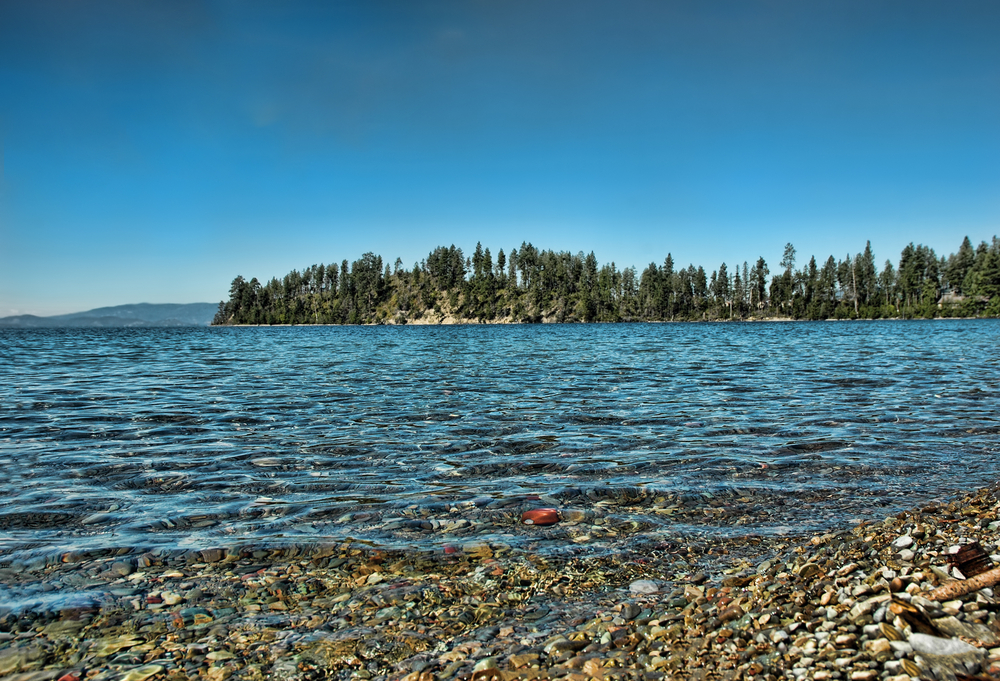
Flathead Lake sits in the northwest corner of Montana as the largest natural freshwater lake west of the Mississippi River, and its shoreline and surrounding peaks pack more variety into a single region than most people expect. Whether you are spending a week on the water with Paddle Board Outfitters or making your first trip to the Flathead Valley, the hiking and nature opportunities here run from easy shoreline walks to serious alpine pushes into the Swan and Mission Ranges. No two days on the trail look the same, and no two trailheads drop you into the same landscape.
TL;DR
- Wild Horse Island is the most unusual hiking destination in the state, accessible only by boat and home to wild horses, bighorn sheep, and bald eagles on 2,164 acres of pristine shoreline and forest.
- Bear Dance Trail near Woods Bay is a 6.7-mile out-and-back that climbs roughly 2,200 feet from the lake’s edge to the Swan Range ridgeline, with exceptional lake views throughout.
- Jewel Basin Hiking Area is a 15,349-acre hike-only zone with 35 miles of trails and 27 alpine lakes, one of the most concentrated hiking resources in northwest Montana.
- Flathead Lake State Park spans six units around the lake, each with distinct terrain and access points, and makes it easy to catch lake views from the trail at almost any skill level.
- Blacktail Mountain near Lakeside offers challenging terrain and sweeping views of both Flathead Lake and the Glacier National Park peaks to the north.
- The best hiking season runs from mid-June through September, though lower-elevation trails are accessible from April onward.
Why the Flathead Lake Region Is One of Montana’s Best Hiking Destinations
Most people come to Flathead Lake for the water, which makes sense. The lake covers 197 square miles, reaches depths of 370 feet, and turns a shade of blue that still surprises people who have lived here for decades. What catches visitors off guard is the density of quality hiking immediately surrounding it. Within a 30-mile radius of the lake, you have lake-level shoreline walks, dense Ponderosa pine corridors, Swan Range ridgelines above 5,000 feet, island terrain accessible only by boat, and proximity to Glacier National Park. The terrain transitions quickly and dramatically, which is what makes planning a few days of hiking here worth the effort.
Wildlife is a consistent feature on every trail listed here. Bald eagles, osprey, mule deer, and bighorn sheep are regular sightings. Bears are present throughout the region, which means bear spray is not optional. The trails vary enough in difficulty and character that families with young children and experienced alpine hikers can each find routes worth repeating.
Wild Horse Island State Park
What Makes It Unique
Wild Horse Island is the largest island on Flathead Lake at approximately 2,164 acres, and it holds the distinction of being the largest island in a freshwater lake west of Minnesota. The island has been a state park since 1977 and is managed by Montana Fish, Wildlife and Parks. What sets it apart from every other hiking destination in the region is the combination of island access, concentrated megafauna, and a nearly undeveloped landscape.
The Salish-Kootenai tribes historically used the island to pasture horses, keeping them safe from rival tribes by using the lake as a natural barrier. That history gave the island its name. Today the island is home to roughly five wild horses, a bighorn sheep population that fluctuates between 160 and 200 animals, mule deer, bald eagles, falcons, osprey, and a Palouse Prairie ecosystem that is one of only three found in the state of Montana. Rare and endangered plant species have been documented in the grassland sections.
The Trails
The island has approximately four miles of interconnected hiking trails, and visitors are welcome to explore off-trail in open areas. The main public access point is Skeeko Bay on the northwest side of the island, which offers a gravel beach, a restroom, and a trailhead with informational kiosks. From Skeeko Bay, a loop trail leads toward Eagle Cove, which is the most consistent location for bighorn sheep sightings. Ridge ascent trails climb to panoramic viewpoints with sight lines across the full expanse of Flathead Lake, the Mission Mountains to the east, and the Swan Range to the northeast.
The round-trip distance from Skeeko Bay to the main viewpoints runs approximately 3.2 miles with around 350 feet of elevation gain, making it accessible for most fitness levels. The old-growth Ponderosa pine sections in the interior of the island are especially striking.
Practical Details
- Access by boat only, no public ferry or bridge
- Charter and tour boat services operate from Polson, Bigfork, and Rollins marinas during summer
- Day use only, no camping permitted
- No pets, no bikes, no fires
- Horses are not guaranteed sightings given there are only five on 2,164 acres; scan meadows from ridgelines and visit early
- Stay at least 100 feet from all wildlife, including the horses and bighorn sheep
Bear Dance Trail
Trail Overview
Bear Dance Trail, designated Forest Road Trail 76, begins off Highway 35 south of Bigfork near Woods Bay and climbs into the Swan Range with a trailhead elevation around 3,071 feet. The trail runs 6.7 miles one way and gains approximately 2,200 feet, terminating at Crane Mountain Road at an elevation of about 5,309 feet. It is rated moderate to strenuous. The trail is open to hiking, horseback riding, and mountain biking, and motorized vehicles are prohibited.
From Bigfork, the route follows Highway 35 south past Woods Bay, turning right after mile marker 23 into the Beardance Trailhead parking area. The trailhead is on the east side of the highway. The trail begins with switchbacks through mixed forest and continues climbing into more open terrain as elevation increases. The lake views that open up through the switchbacks are among the best accessible on a day hike in the region.
What to Expect
The lower section of the trail passes through dense forest before opening into views of Flathead Lake and the Mission Mountains to the west. The upper sections of the trail connect to Crane Mountain Road and a broader trail network used more by mountain bikers than hikers, which means solitude improves significantly above the lower switchback zone.
The season typically opens in April at lower elevations, and the trail is generally snow-free by late spring. Because the trailhead sits directly off Highway 35, access is straightforward. There is also a shorter companion option called the Flathead Lake Trail, an interpretive loop that runs approximately 0.4 miles and descends to the lake’s edge, which suits families or visitors wanting a quick nature stop rather than a full climb.
Jewel Basin Hiking Area
The Numbers
Jewel Basin is one of the most concentrated hiking resources in northwest Montana. The area covers 15,349 acres in the Flathead National Forest at the northern end of the Swan Mountain Range. It contains 27 alpine lakes, 35 miles of designated hiking trails, and some of the most sustained high-altitude scenery in the region. Crucially, it is designated hiking-only. Motorized vehicles and horses are both prohibited, which keeps the experience quieter than comparable areas and has since its designation in 1970.
Access is primarily from the Camp Misery Trailhead, reached via Forest Service Road 5392 east of Echo Lake. From Bigfork, take Highway 35 north to Highway 83, head east to the Echo Lake Road junction, then north about three miles to the Jewel Basin Road turnoff. The drive from Bigfork takes roughly 30 minutes. Peak season is July and August; expect company on weekends.
Key Trails
The Mount Aeneas trail is the standout route for hikers seeking elevation and panoramic views. The summit sits at the high end of the trail network and delivers sight lines across the Flathead Valley, portions of Glacier National Park, and the northern Bob Marshall Wilderness. Mountain goats have been reported regularly on this trail. The Birch Lake Trail is a more accessible option that follows a steady incline through woodland before reaching a high mountain lake that offers excellent fishing.
The Picnic Lakes loop runs counterclockwise from Camp Misery, ascending a ridge to Mount Aeneas before dropping to the Picnic Lakes basin. The terrain is steep and demanding in sections, but the lake basin at the end is remote enough that solitude is achievable even in the main season. For those who want to push further into the backcountry, Clayton Lake sits in a valley trough beneath Tongue Mountain and rewards an intermediate-difficulty approach.
Flathead Lake State Park Trail Units
Flathead Lake State Park is not a single location but a system of seven distinct units spread around the lake, added to in 2023 with the new Somers Beach State Park. Each unit has its own trail character and access point, making it possible to hike different sections of the lake on different days without repeating the same terrain. Three units sit on the east side near Bigfork and are closest to Paddle Board Outfitters operations in Somers: Wayfarers, Yellow Bay, and Finley Point. Three are on the west side: West Shore, Big Arm, and Wild Horse Island (covered separately above).
Wayfarers Unit
Located about half a mile south of Bigfork on Highway 35, Wayfarers offers access to rocky cliffs and shoreline with views across the lake. The trail system here connects to forested paths with exposed outcrops that provide elevated lake vistas. This is a popular starting point for visitors based in or near Bigfork.
West Shore Unit
The West Shore Unit sits on the opposite side of the lake and delivers a quieter experience than the east-side units. Trails lead to lake overlooks with morning light views across the water toward the Mission Mountains. The area sees less foot traffic and rewards visitors looking for a more solitary outing.
Yellow Bay and Finley Point
Yellow Bay is a smaller unit with shoreline access and calm water swimming. Finley Point, at the base of a narrow peninsula, offers camping and lake access in a setting that feels more enclosed and forested than the larger units. Both work well as half-day hiking and nature stops in combination with water activities on the lake.
Blacktail Mountain
Located near Lakeside on the western shore of Flathead Lake, Blacktail Mountain is the most demanding option in this guide. The Blacktail Mountain Trail is a strenuous hike that climbs well above the lake elevation into terrain with expansive views of Flathead Lake to the east and the Glacier National Park peaks to the north. The trail is best suited for hikers comfortable with sustained elevation gain and rocky terrain.
Blacktail Mountain also operates as a ski area in winter, so the lower approach road and access infrastructure are well-maintained. In summer, the mountain transitions into hiking and mountain biking territory. The views from the upper sections stretch to include both the full length of Flathead Lake and the southern reaches of the Salish Mountains.
Flathead Lake Hiking: Quick Comparison
| Trail / Area | Difficulty | Distance | Best For | Standout Feature |
| Wild Horse Island | Easy to Moderate | ~3.2 mi RT | Wildlife enthusiasts, families | Wild horses, 160-200 bighorn sheep, boat-access only |
| Bear Dance Trail | Moderate to Strenuous | 6.7 mi one way | Day hikers seeking elevation | 2,200 ft climb, panoramic lake views |
| Jewel Basin | Varies (Easy to Strenuous) | 35 mi total | All levels, backpackers, anglers | 27 alpine lakes, hike-only designation |
| Wayfarers Unit | Easy | Short loops | Casual hikers, families | Rocky shoreline, lake overlooks near Bigfork |
| West Shore Unit | Easy | Short loops | Solitude seekers | Lake views, low foot traffic |
| Blacktail Mountain | Strenuous | Varies | Experienced hikers | 360-degree views, Glacier NP peaks visible |
Planning Your Flathead Lake Hike: What to Know Before You Go
Best Time of Year
Lower elevation trails around the lake, including the Flathead Lake State Park units and the lower section of Bear Dance Trail, are typically accessible from April onward. Higher terrain in the Jewel Basin and on Blacktail Mountain usually becomes snow-free by late June or early July. Peak hiking season runs from mid-June through September. July and August bring the warmest temperatures and the most reliable trail conditions, though weekends in Jewel Basin can get crowded.
What to Bring
- Bear spray: mandatory in this region, not optional
- Water: most trails have no reliable water sources near the lower sections
- Layers: temperatures at elevation can drop 20 to 30 degrees from lakeside conditions
- Map or trail app: cell service is unreliable above the lower trails
- Sunscreen and sunglasses: open ridgeline sections offer no shade
Wildlife Awareness
Bears are active throughout the region from spring through fall. Travel in groups when possible, make noise on the trail, and store food properly at all times. On Wild Horse Island, regulations require staying at least 100 feet from all wildlife, including the wild horses and bighorn sheep. This is both a safety measure and a protection for the animals, which have limited predator exposure and can behave unpredictably around humans. Approaching wildlife is a violation of park regulations.
Pairing Hiking with a Day on the Water
Many of the best hiking destinations around Flathead Lake are either accessible by boat or sit within a short drive of launch points. Wild Horse Island is the clearest example: the only way to reach it is by water, which makes a guided paddle board or boat rental from Paddle Board Outfitters in Somers the logical first step before setting foot on the island’s trails. The combination of a morning on the lake and an afternoon on the island trails is one of the most complete ways to experience what this region offers.
The shoreline units of Flathead Lake State Park, including Wayfarers and West Shore, are reachable from the water and can anchor a day that starts with a paddle from Somers and continues with a short hike from the shore. The calm conditions in the morning hours that make the lake ideal for paddling are the same conditions that make hiking more comfortable before midday heat builds on exposed ridgeline trails.
Frequently Asked Questions
What is the most unique hiking spot near Flathead Lake?
Wild Horse Island is the most distinctive. It is the only major hiking destination in the region that requires boat access, and the combination of wild horses, a bighorn sheep population of 160 to 200 animals, old-growth Ponderosa pine, and Palouse Prairie grassland makes it unlike any other state park in Montana. Access is available through charter boat services from Polson, Bigfork, and Rollins, or by private boat.
How difficult is hiking around Flathead Lake?
The difficulty varies significantly by trail. The Flathead Lake State Park units and the shorter Flathead Lake Trail near Woods Bay are easy to moderate and accessible for families. Bear Dance Trail and Blacktail Mountain are more demanding, with Bear Dance gaining 2,200 feet over 6.7 miles. Jewel Basin spans the full range, from accessible lake-level trails to strenuous summit approaches on Mount Aeneas.
Do I need bear spray hiking near Flathead Lake?
Yes. Bears are present throughout the region from spring through fall. This applies to all trails, including the more-visited ones near Bigfork and the Wayfarers Unit. Wild Horse Island also has bear activity, and Montana Fish, Wildlife and Parks advises visitors to carry food on their person or store it on their boat rather than leaving it unattended on the island.
When is Jewel Basin open for hiking?
Jewel Basin typically becomes accessible in July when snow clears from the higher trail sections. Lower approaches may be passable in late June depending on snowpack. Peak season runs July and August. Shoulder months of May, June, and September offer quieter conditions with cooler temperatures. The Camp Misery parking lot can fill quickly on summer weekends.
Can I combine a paddleboard trip with hiking on Flathead Lake?
Yes, and it is one of the better ways to organize a day here. Paddle Board Outfitters operates out of Somers on the north end of the lake. Launching from Somers, you can paddle south toward Wild Horse Island or west toward shoreline state park units. Several of the lake-access hiking trails in the Flathead Lake State Park system are reachable directly from the water.
Summary
The hiking and nature landscape around Flathead Lake punches well above its regional reputation. Wild Horse Island is one of the most unusual day-trip hiking destinations in the American West. Bear Dance Trail delivers an honest elevation challenge with lake views that hold up at any point during the climb. Jewel Basin is an alpine hiking reserve with 35 miles of trails, 27 lakes, and a hike-only designation that preserves the experience. The Flathead Lake State Park units give casual hikers and families consistent access to shoreline and forest terrain without demanding technical skill.
For visitors already spending time on the water with Paddle Board Outfitters, the transition from lake to trail is short. Most of what is described here is accessible from Somers by vehicle in under an hour, and Wild Horse Island is reachable by water. Flathead Lake is already the destination. The trails around it are the reason to stay longer.