Flathead Lake Water Activities: Boating, Kayaking, Paddleboarding and More
Flathead Lake is not the kind of place where you run out of things to do on the water. At 191 square miles and with over 160 miles of shoreline, Montana’s premier freshwater lake supports everything from high-speed jet ski runs to quiet morning paddles where the surface is flat enough to see your reflection. The water is exceptionally clear, the mountain backdrop is constant, and a well-developed rental infrastructure at multiple access points around the lake means you do not need to bring your own gear to make the most of it.
Whether you are planning a full day on the water with a rented pontoon, looking for a couple of hours on a stand-up paddleboard, or trying to sort out the best place to drop a fishing line, this guide covers every category of water activity available on Flathead Lake along with what to know before you go.
TL;DR
- Flathead Lake water activities include boating, jet skiing, kayaking, stand-up paddleboarding, sailing, fishing, and swimming, all accessible from multiple points around the 160-mile shoreline.
- Swimming season runs June through September, with water temperatures reaching 70 to 75 degrees Fahrenheit in July and August.
- The southern half of Flathead Lake lies within the Flathead Indian Reservation. Fishing and recreation in this area require tribal permits.
- Advance bookings are strongly recommended during peak summer season, particularly for the Fourth of July week and Labor Day weekend.
Stand-Up Paddleboarding on Flathead Lake
Stand-up paddleboarding has become one of the most popular ways to experience Flathead Lake, and it is easy to understand why. The lake’s clarity makes it feel like you are floating on air during calm conditions, and the mountain ranges framing the shoreline in every direction create a backdrop that rewards time on the water at a slow pace.
The northern end of the lake near Somers and Bigfork offers protected bays that stay calm on most mornings, making those hours the natural window for beginner and intermediate paddlers. Rental operators in the Somers Bay area provide direct dock access, eliminating the need to carry gear to the water. Most SUP rentals include an adjustable paddle, leash, and fins, and many operators offer a brief orientation or lesson as part of the rental.
Best Conditions for Paddleboarding
Morning hours, typically before 10 a.m., offer the calmest water on Flathead Lake. Wind tends to build from the southwest through the afternoon and can generate chop that makes paddling more demanding, particularly in open water. Beginners are better served by early sessions in protected bays. Experienced paddlers can work with afternoon conditions and often find the wind-driven texture more engaging.
The bays around Somers, Big Arm, and Bigfork are the most forgiving for SUP. Open water crossings, such as the route from Big Arm to Wild Horse Island, are appropriate for confident paddlers with good weather awareness and should not be attempted by beginners without prior experience on open water.
Kayaking Flathead Lake
Kayaking gives more stability and range than a paddleboard and suits those who want to cover ground, explore coves, or access destinations unreachable from the shore. Flathead Lake’s varied shoreline topology means a kayaker can spend hours tracing the east or west shore without repeating scenery, and several of the lake’s most compelling destinations, including Wild Horse Island, are accessible only by water.
Where to Kayak
The northeast shore between Bigfork and Yellow Bay is one of the most productive kayaking corridors on the lake. The Wayfarers State Park unit near Bigfork provides a sheltered launch point, with rocky coves and calm sections of shoreline extending south toward Yellow Bay. The Yellow Bay unit, 14 miles south of Bigfork on MT-35, serves as a natural turnaround with its gravel beach and clear shallows.
For those with more ambition, the crossing to Wild Horse Island from Big Arm State Park on the west shore is one of the premier kayak excursions in the region. The route covers approximately two miles of open water each way and provides access to wild horses, bighorn sheep, and a shoreline trail system that cannot be reached any other way. Weather and lake conditions should be assessed before departure, and the crossing is not appropriate for novice paddlers when wind is present.
Boat Rentals on Flathead Lake
Renting a motorized boat opens up the full 191 square miles of the lake and makes it practical to cover significant distances, access multiple destinations in a single day, or accommodate larger groups. Multiple rental operators serve the lake, with primary hubs in Bigfork, Lakeside, Somers, and Polson.
What to Know Before Renting
Most operators require a valid driver’s license and a brief safety orientation before releasing a boat. The lake is large enough that weather conditions can shift meaningfully over the course of a day. Operators generally advise renters on current conditions and flag any weather concerns at departure.
All watercraft entering Flathead Lake are subject to Montana’s aquatic invasive species inspection requirements. Non-resident vessels must stop at open inspection stations and purchase an AIS prevention pass. Resident vessels must also stop at open stations. These inspections protect the lake’s ecosystem from zebra mussels and other invasive species. Factor inspection time into arrival plans if trailering a vessel from outside the region.
Jet Skiing on Flathead Lake
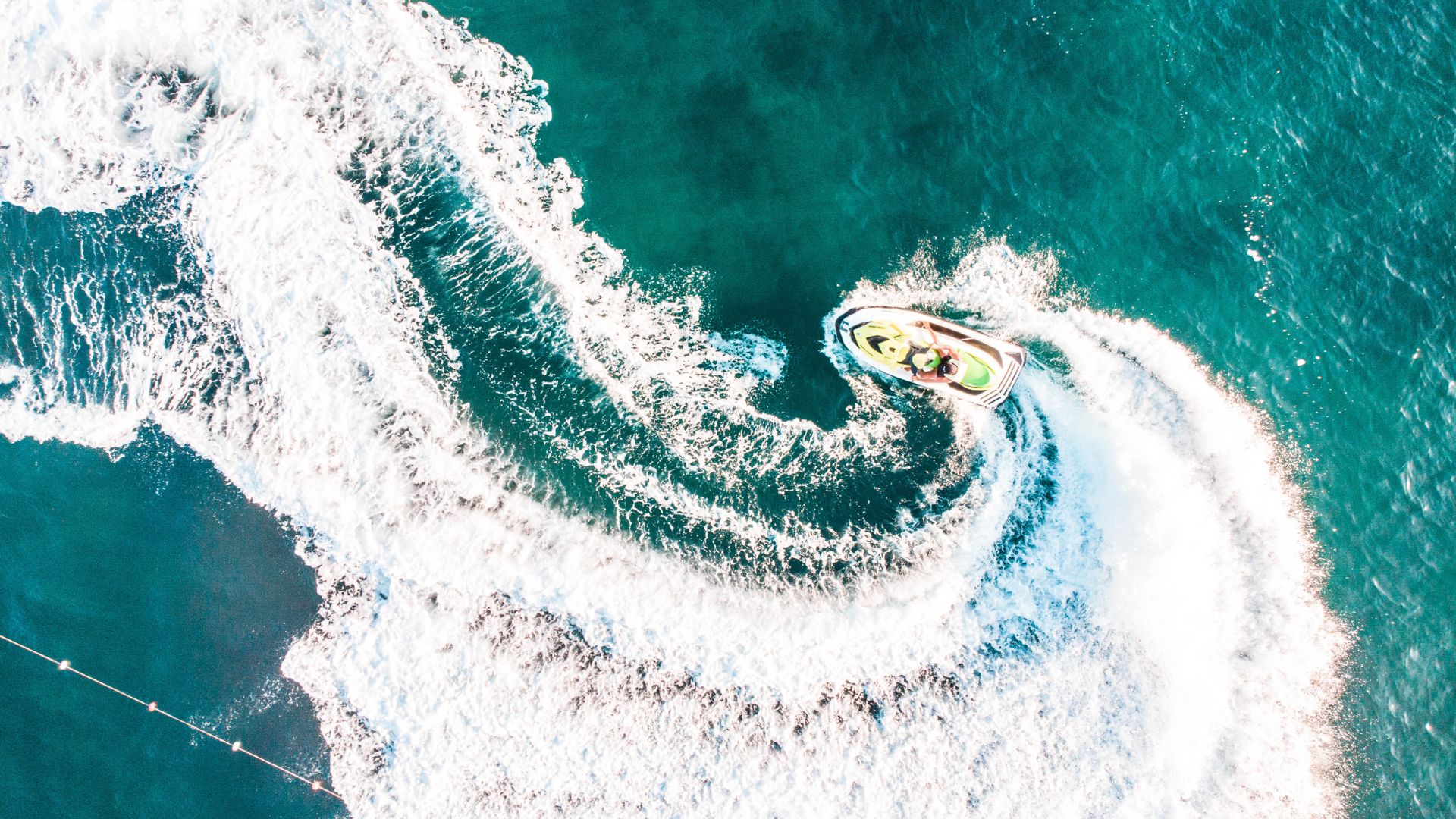
Jet ski rentals on Flathead Lake offer a different experience than most locations. The lake’s scale means you can run significant distances without doubling back, and the mountain scenery from the water at speed is difficult to replicate anywhere else in the region. The open northern section between Somers and the mid-lake provides the most unobstructed running room during summer.
Sailing on Flathead Lake
Flathead Lake’s size and the reliable afternoon winds that build from the southwest create genuine sailing conditions. The lake supports a real sailing culture, anchored by the Montana Cup regatta held at Somers each year, typically in early August. For visitors unfamiliar with sailing, the size of Flathead Lake makes it a more authentic experience than what most inland waters offer.
Afternoon winds out of the southwest are consistent enough during summer that sailors can count on conditions rather than waiting for them. Morning hours offer lighter winds and calmer water, which is useful for newer sailors or those who prefer a quieter experience on the lake.
Fishing on Flathead Lake
Flathead Lake draws serious anglers from across the region. The lake holds healthy populations of lake trout (Mackinaw), westslope cutthroat trout, bull trout, northern pike, yellow perch, and bass. Lake trout fishing in particular can be exceptional, with fish in the deeper sections reaching trophy size, and spring and fall Mackinaw tournaments draw competitive anglers from Montana and neighboring states.
What’s Biting and When
Lake trout move into shallower depths during cooler water temperatures in spring and fall, making them more accessible to trolling and casting from smaller boats. During summer, they push into deeper water and downrigger trolling becomes the primary technique. Yellow perch are productive year-round in the northern portions of the lake and are a reliable target for shore anglers at locations like Wayfarers and Somers. Bass fishing is most productive along the rocky west shore during summer months.
Montana Fish, Wildlife, and Parks maintains a Flathead Lake fishing guide covering seasonal patterns, legal methods, and size and possession limits for each species. It is worth consulting before arrival, particularly for those targeting specific species.
Permits and Access Rules
Flathead Lake splits jurisdictionally at the middle of the lake. The northern half falls under Montana Fish, Wildlife, and Parks regulations and requires a standard Montana fishing license. The southern half lies within the Flathead Indian Reservation, where a separate tribal fishing license and a tribal recreation permit are both required. Both documents are available at sporting goods retailers around the lake and at select tribal outlets. Fishing without the correct permit on the southern half carries significant fines.
Guided fishing charters are available out of Somers, Polson, and Bigfork. Charter captains typically supply tackle, and most trips target lake trout and perch during the primary summer season. Half-day and full-day options are available from most operators.
Swimming and Beaches on Flathead Lake
Flathead Lake’s water clarity is exceptional by any standard. Visibility of 20 to 30 feet on calm days is common, and the water quality is monitored weekly during swimming season by the Flathead Lakers organization in partnership with the Flathead Lake Biological Station and the Confederated Salish and Kootenai Tribes. Results are published to the Swim Guide platform and updated throughout the June to September monitoring period.
Water temperatures reach 70 to 75 degrees Fahrenheit during July and August, making the swimming season genuinely comfortable rather than the cold-water experience common to many mountain lakes. June water sits in the 60s, and September temperatures begin declining from summer highs. The effective swimming season generally runs June through September.
Best Swimming Spots
Yellow Bay State Park on the eastern shore is one of the most popular swimming destinations on the lake, situated 14 miles south of Bigfork along MT-35. The park features a wide gravel beach suitable for sunbathing and wading, and the shallows here warm earlier in the season than many other locations on the lake. A public boat ramp with deep-water access is also on site.
Wayfarers State Park near Bigfork provides a pebbly beach that slopes gradually into shallow, clear water. The slow drop-off makes it a particularly good option for families with younger children. The park includes picnic facilities, shaded areas, and access to shoreline trails above the lake.
Big Arm State Park on the west shore, 15 miles north of Polson on Big Arm Bay, offers a more remote feel with views across to Wild Horse Island and the Swan and Mission mountain ranges. This location falls within the Flathead Indian Reservation and requires a tribal recreation permit.
Volunteer Park on the west side of the lake is a local favorite for families, featuring a swim platform and open grass area. It is also a well-known vantage point for the Fourth of July fireworks display over the lake.
Flathead Lake Swimming Locations at a Glance
| Location | Shore | Beach Type | Tribal Permit? | Best For |
|---|---|---|---|---|
| Yellow Bay State Park | East | Gravel beach | Yes (outside park) | Swimming, sunbathing, fishing access |
| Wayfarers State Park | Northeast (Bigfork) | Rocky/pebbly | No | Families, shallow wading, kayak launch |
| Big Arm State Park | West | Mixed shoreline | Yes | Wild Horse Island views, quieter experience |
| Volunteer Park | West | Grass and dock | Yes | Swim platform, family-friendly, fireworks viewing |
| West Shore State Park | West (near Lakeside) | Rocky shoreline | No | Quieter alternative, forest setting |
Planning Your Time on the Water
Flathead Lake rewards early planning. Rental availability tightens significantly during peak summer weeks, particularly around the Fourth of July, and the best inventory across boats, jet skis, and paddlecraft books out well in advance. A few notes that apply across all activity categories:
- Book rentals in advance during summer. Most operators recommend reservations rather than relying on walk-up availability during July and August.
- Morning conditions are calmer for paddling and kayaking. Wind typically builds from the southwest through the afternoon and can create challenging conditions for human-powered craft.
- All watercraft entering the lake must pass AIS inspection. Trailered vessels arriving from outside the region should factor inspection stop time into their arrival plans.
- The southern half of the lake requires tribal permits for both recreation and fishing. Purchase these at local sporting goods retailers before heading to southern access points.
- Water quality reports for swimming beaches are updated weekly at The Swim Guide during the June through September monitoring season.
- Peak season runs Memorial Day through Labor Day, with the Fourth of July week being the busiest period on the lake.
Frequently Asked Questions
What is the water temperature in Flathead Lake for swimming?
Water temperatures at Flathead Lake reach 70 to 75 degrees Fahrenheit during July and August, the warmest part of the swimming season. June water sits in the 60s, and September temperatures begin declining from summer highs. The effective swimming season generally runs June through September.
Do I need a permit to fish on Flathead Lake?
It depends on where you are fishing. The northern half of the lake falls under Montana Fish, Wildlife, and Parks jurisdiction and requires a standard Montana fishing license. The southern half lies within the Flathead Indian Reservation and requires a tribal fishing license and a tribal recreation permit, available at sporting goods stores around the lake. Fishing without the correct documents on the southern half carries significant fines.
Is it safe to kayak to Wild Horse Island?
Experienced paddlers regularly kayak to Wild Horse Island from Big Arm State Park on the west shore, a crossing of roughly two miles each way. The route is manageable in calm conditions but can become difficult in wind. Morning conditions are typically the calmest window. Paddlers should check forecasts before departing, remain aware of changing weather, and have the fitness and experience for an open-water crossing. The island is day-use only and does not require a reservation.
Making the Most of Flathead Lake’s Water
The range of water activities available on Flathead Lake is not something you exhaust in a single visit. A family with young children and a pair of experienced paddlers can each find the right level of engagement on the same lake on the same day. The rental infrastructure around the northern end of the lake makes access practical without requiring visitors to haul their own gear hundreds of miles into northwest Montana.
Whether you are planning a two-hour paddleboard session before lunch, a full-day boat rental to explore the western shore, a morning fishing trip targeting lake trout, or an afternoon on a jet ski running open water toward Wild Horse Island, the lake has the scale and the clarity to make each of those experiences worth coming back for.